Bio and Services
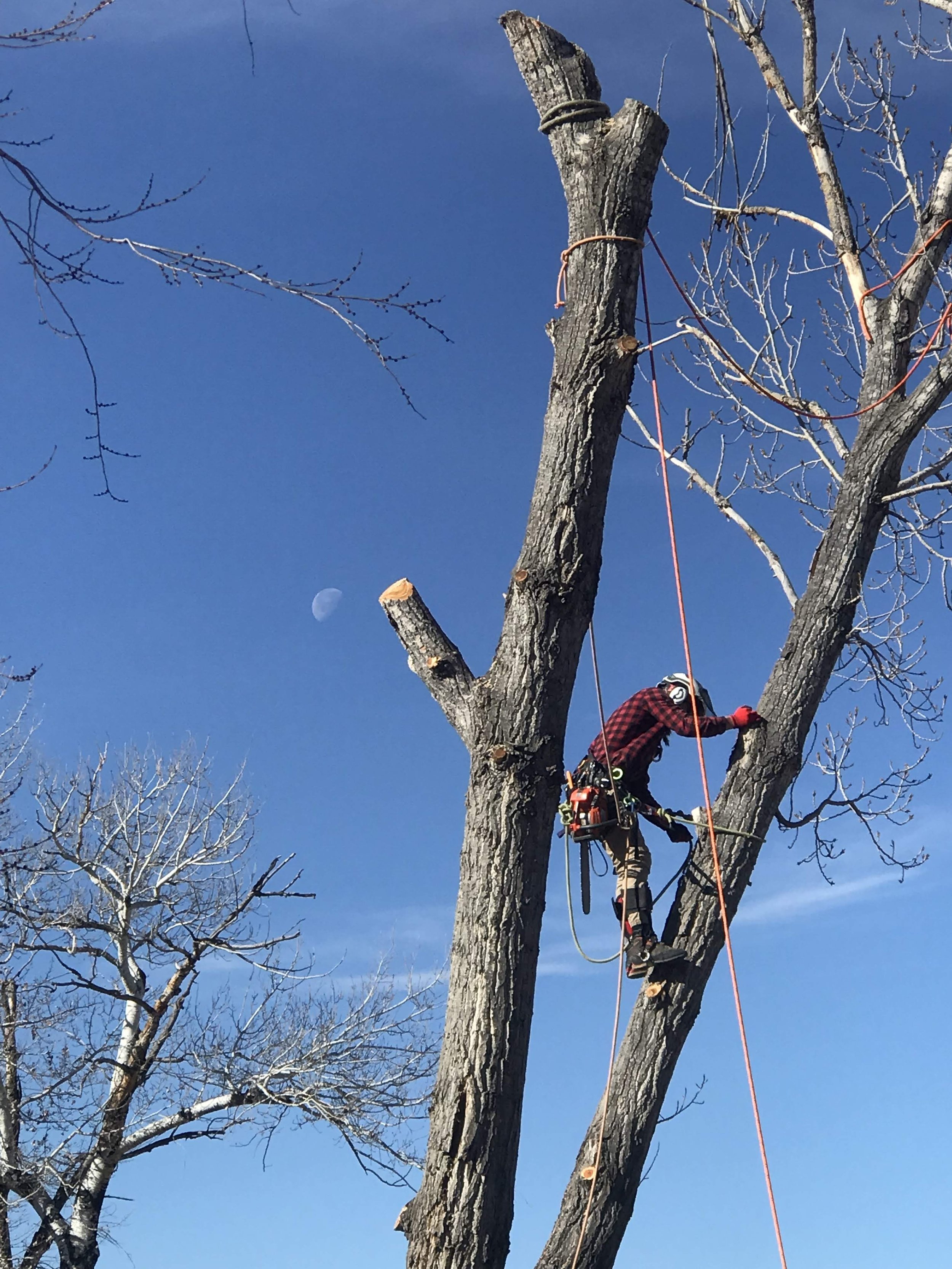
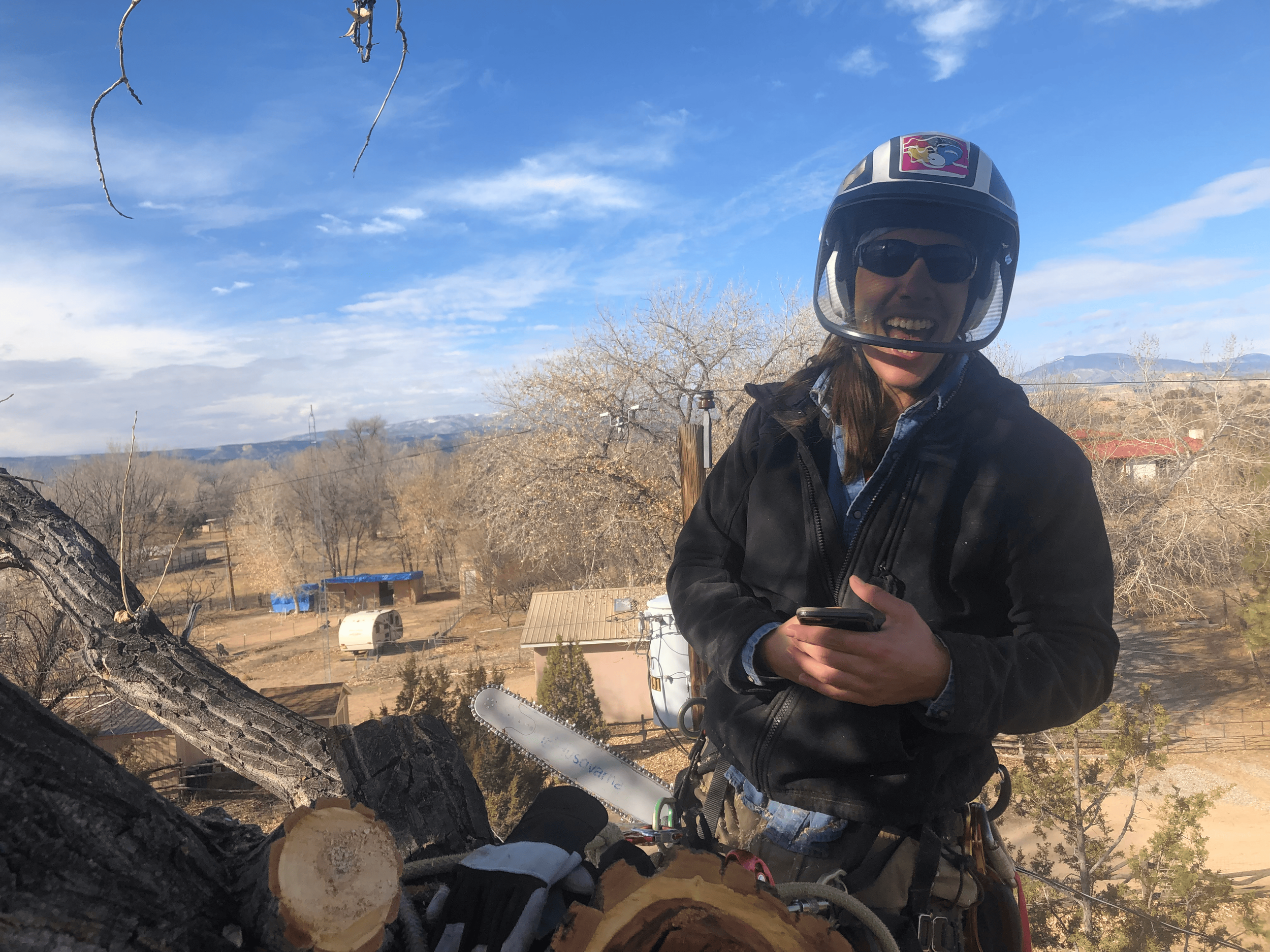
I've been working with trees for twenty years. I came up on the job — farm work, orchards, urban canopies, wildland edges — and kept adding to that foundation through ISA training, Master Gardener certification, landscape work, dedicated fruit tree study, and lots of time outdoors observing wild and 'domestic' trees. Together, those experiences left me with something I wanted to share.
I lead every job personally. Sometimes I work alone and more frequently I work with my crew. These are colleagues I trust and have worked alongside — brought in because a particular job calls for what they can offer. My approach is pretty simple at its core: we need trees to survive. So we may as well enjoy them, care for them, and stop blaming them for problems we create. Twenty years in, that hasn't changed.
Jeremy Gray, ISA Arborist# RM-8079A
Tree Preservation
Old trees are worth keeping. Hollow, ancient, gnarled, cracked — these aren't reasons to remove a tree, they're just its history. With the right approach, trees that look like problems are often safe, viable, and worth every bit of the effort it takes to understand them. Generally, the decision to keep or not keep an old tree is a choice not a matter of imminent risk.
Fruit Trees and Orchards
Fruit trees reward attention in every season, not just at harvest. The most intensive pruning happens January through March, but there's meaningful work to be done throughout the growing season too. If you have fruit trees and a goal in mind — more production, better structure, recovery from neglect — reach out anytime and we'll figure out together if it's the best time.
Consulting
Sometimes you don't need a crew, you need a straight answer. Consultations are available for canopy inspection, tree risk assessment, property inventory, or just a conversation with someone who knows what they're looking at. No upsell, no pretext.
Rate: $195/hr. Drive time billed outside Santa Fe. If budget is a constraint, say so — I'll work with you.
All consultations conducted by Jeremy Gray, ISA Arborist #RM-8079A
Ecologically Sound Approaches to Thinning
Much of Santa Fe sits within or alongside Pinon and Juniper forest and some of it into our Ponderosa forests. Living here is a privilege. It also comes with real responsibilities we maybe didn't think of (and still do not) when we are developing our wildland/urban interface zones— fire risk, bark beetle pressure and insurance requirements for defensible space.
Thinning done thoughtlessly causes harm that outlasts the person who ordered it. Thinning done well can genuinely support the ecosystem you're trying to protect. The difference is in the planning. We'd rather help you get that right than clean up after someone who didn't.